I have several 1980s microcomputers and I enjoy collecting and fixing them. Here’s a list of the ones I have, and there’s some links for each one on the work I’ve done on them:
- Commodor PET 2001 Series: On 2026-05-13 10:28:00, I acquired a Commodore PET 2001 microcomputer in Essen, Germany. The Commodore PET 2001, introduced in 1977, was one of the first all-in-one personal computers and one of Commodore’s earliest major entries into the microcomputer market. Designed around the MOS Technology 6502 CPU running at roughly 1 MHz, it combined the computer, keyboard, display, and cassette storage into a single metal case. The PET 2001 originally shipped with either 4 KB or 8 KB of RAM, used Commodore BASIC in ROM, and displayed monochrome text on an integrated monitor. Its built-in cassette drive, calculator-style keyboard on early units, and distinctive wedge-shaped case made it a recognizable machine of the late 1970s. The PET line became especially important in schools, laboratories, and small businesses, helping establish Commodore as a serious personal-computer manufacturer before the VIC-20 and Commodore 64. The particular unit I bought is a PET 2001-8C, manufactured in the USA and apparently converted for 220V operation. It is the oldest computer in my collection, with chips dating back to the 42nd week of 1978.


- Commodore C64 C + Commodore Drive 1541 II: On 2026-02-17 09:55:00, I acquired a Commodore C64 C microcomputer and a Commodore Drive 1541 II from Carini, Italy (delivered on Fri, Feb 20, 2026 at 15:00). The Commodore 64, originally introduced in 1982 by Commodore International, became the best-selling single computer model in history (see the earlier C64 pictured below). The C64C revision, released in 1986, retained the same internal architecture as earlier units but adopted a redesigned, slimmer case styled similarly to the Commodore 128. The rest remained basically the same. The Commodore 1541-II disk drive, introduced in 1988 as a more compact and externally powered successor to the original 1541, used 5.25-inch floppy disks with a formatted capacity of roughly 170 KB per side. Like its predecessor, it contained its own 6502-family processor and RAM, effectively functioning as an intelligent peripheral (it had its own CPU!).


- Sinclair Spectrum 128K +3: On 2026-01-31 13:26:00, I acquired a Sinclair Spectrum 128K +3 microcomputer in Swadlincote, United Kingdom (delivered on Mon, Feb 9, 2026). The ZX Spectrum +3, introduced in 1987, was the final official model in the long-running ZX Spectrum line originally created by Clive Sinclair and later produced by Amstrad. It succeeded the 128K +2 models and integrated a built-in 3-inch floppy disk drive, moving beyond the cassette-based storage typical of earlier Spectrums. The machine was powered by a Zilog Z80A CPU running at 3.5 MHz, featured 128 KB of RAM with bank switching, and retained the Spectrum’s characteristic graphics modes of 256×192 pixels with a 15-color palette and attribute-based color system. Sound was provided by the AY-3-8912 sound chip, offering three-channel audio, a significant improvement over the original beeper. The +3 introduced a new ROM with +3DOS to manage floppy disks while maintaining compatibility with the vast existing Spectrum software library. It connected to a television or RGB monitor and remained popular for gaming, hobbyist programming, and educational use. The particular unit I bought was manufactured in Taiwan. This is a momentous computer. It completes my Sinclair collection! 🥳


- Commodore 64: On 2026-01-29 09:17:00, I acquired a Commodore 64 microcomputer in Münster, Germany. The Commodore 64, introduced in August 1982, was a hugely successful 8-bit home computer that became one of the best-selling machines of its era, with estimated production between 17 and 22 million units worldwide. It was developed and sold by Commodore International and succeeded the VIC-20 with vastly expanded memory and capabilities. It featured a MOS Technology 6510 CPU running at roughly 0.98–1.02 MHz, 64 KB of RAM, and the VIC-II graphics chip which supported a palette of 16 colors and hardware sprites. For sound it used the SID chip, noted for its three-channel synthesizer that produced advanced audio for the time. The system used Commodore BASIC 2.0 built into ROM and supported storage via cassette, floppy disk, or cartridge. It could connect to a television or monitor and became popular for games, programming, and productivity. The combination of powerful graphics/sound, extensive software library, and low price helped make the Commodore 64 a cultural icon of early personal computing. The particular unit I bought was manufactured in England.


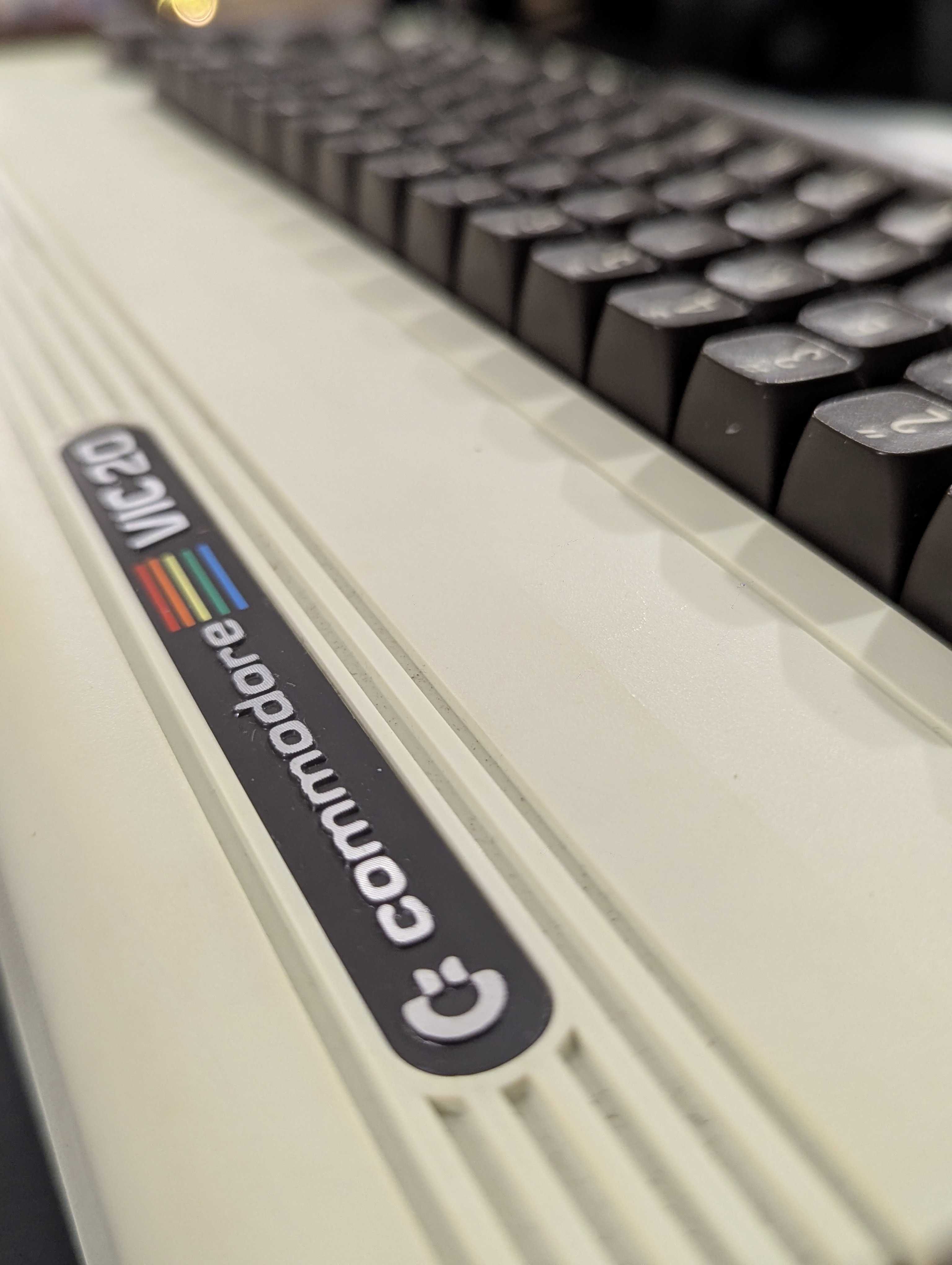
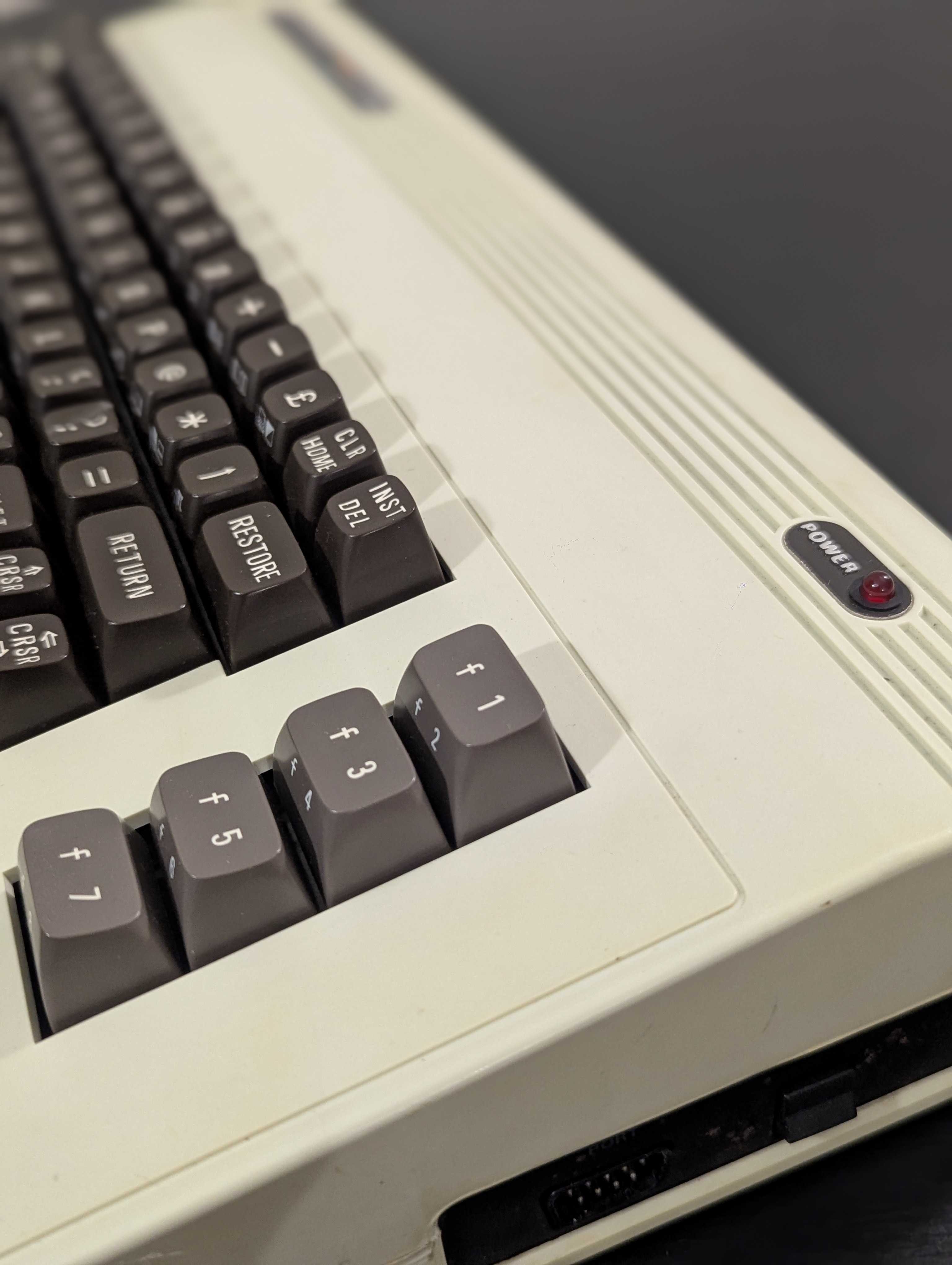
- Commodore VIC 20: On 2025-11-05 22:00:08, I acquired a Commodore VIC 20 microcomputer a Trento, Italy. The Commodore VIC 20, introduced in 1980, was the first computer to sell over one million units and helped bring personal computing into the home. It featured a MOS 6502 CPU running at approximately 1 MHz, 5 KB of RAM (expandable), and the VIC (Video Interface Chip), which provided color graphics and sound. The VIC 20 used Commodore BASIC v2.0 and supported storage via cassette or cartridge. It connected directly to a television set and was marketed as a friendly, affordable computer for education, games, and simple programming. Its approachable design and strong software library made it a landmark in early home computing.

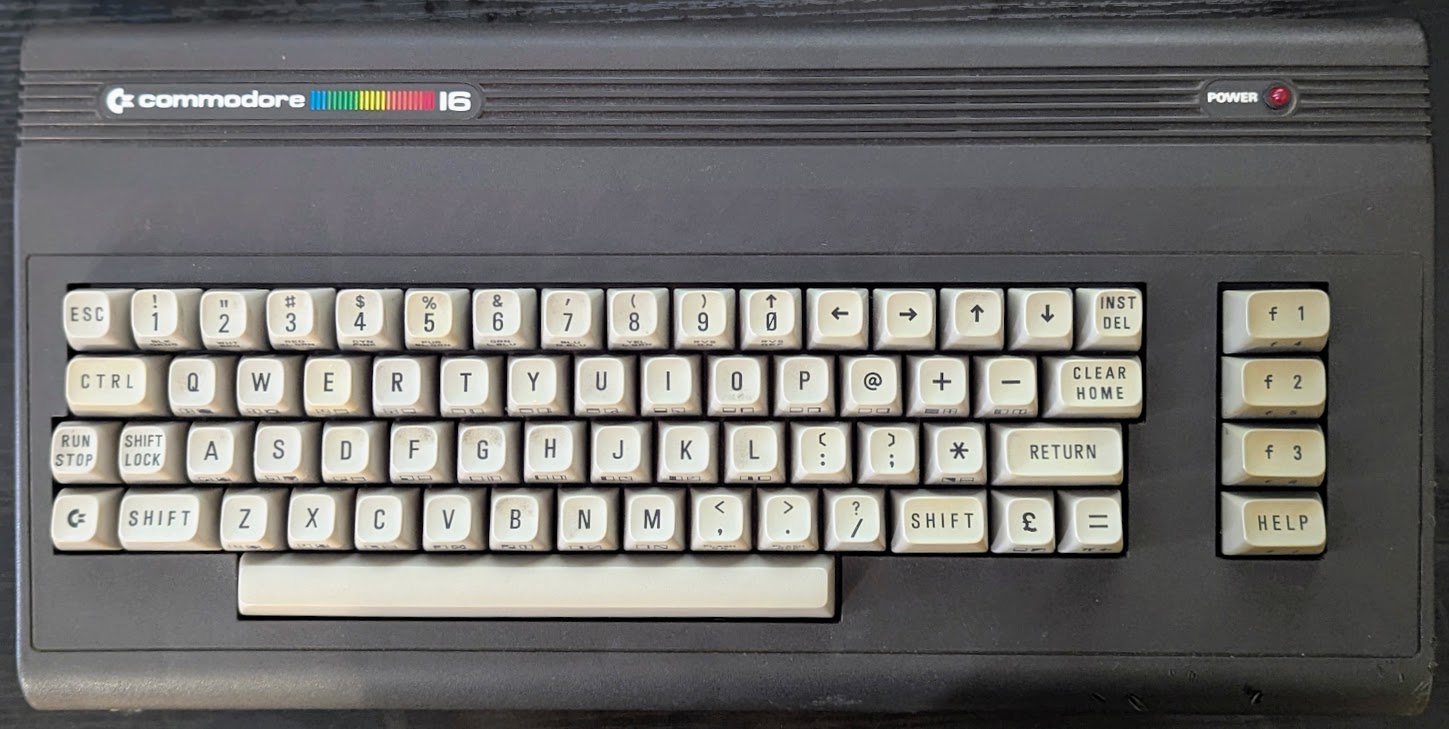
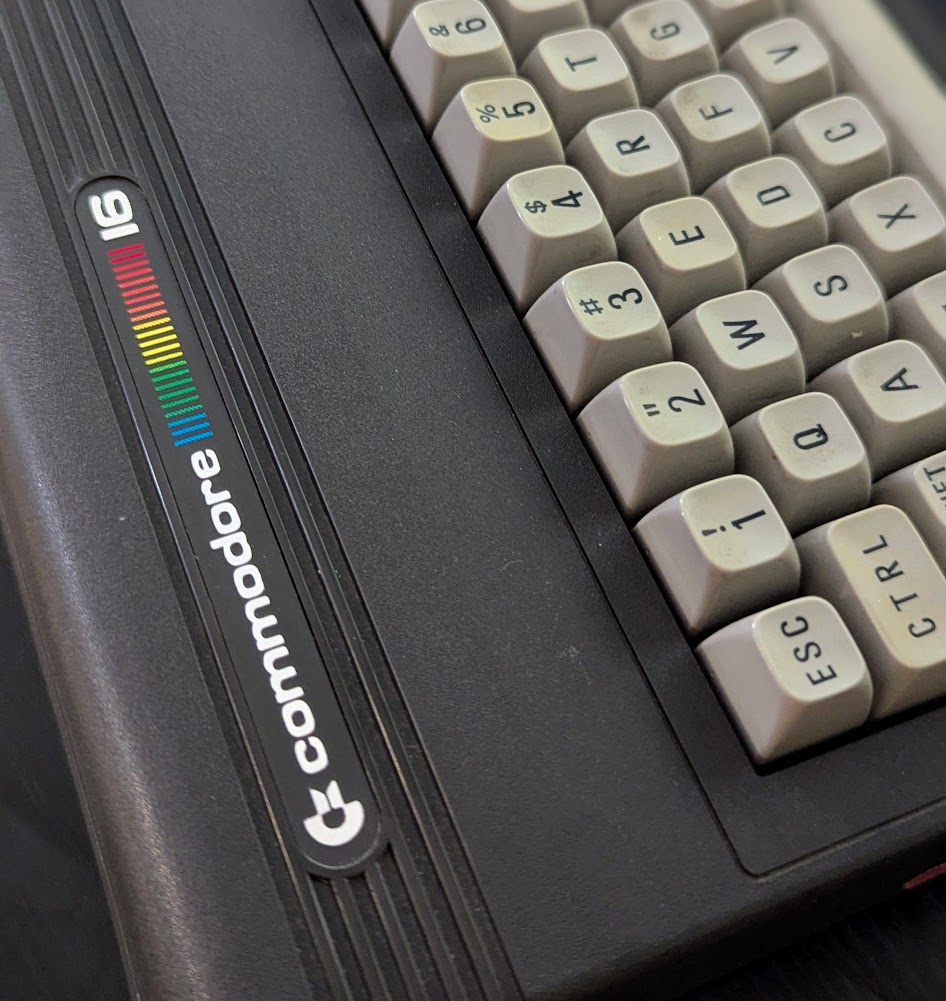
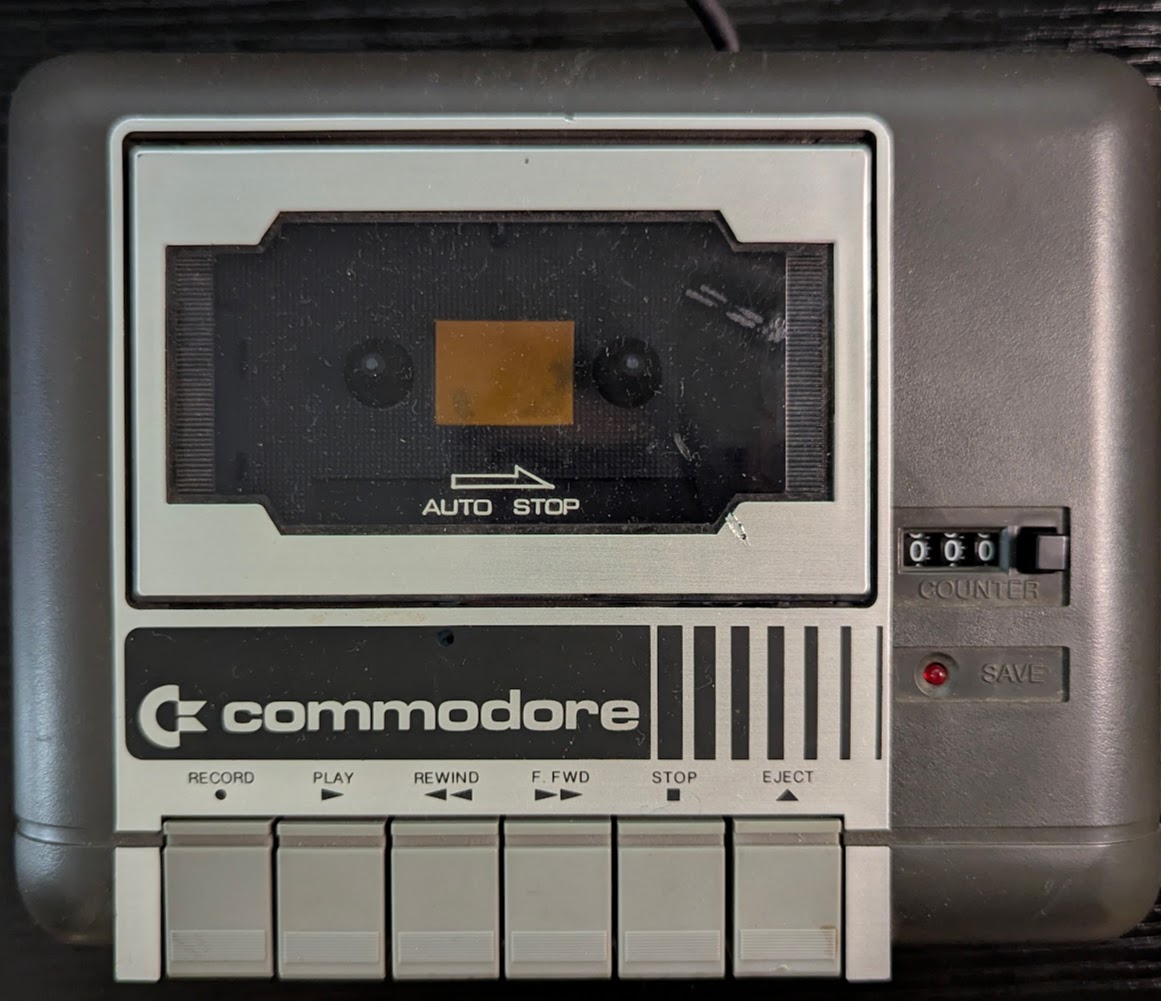
- Commodore 16: On 2025-05-31 11:15:30, I acquired a Commodore 16 micro-computer in Chivasso, Piemonte, Italy. The Commodore 16 was a low-cost 8-bit home computer released by Commodore in 1984 as part of the 264 series. Intended as a successor to the VIC-20, it featured a MOS 7501 or 8501 CPU running at 1.76 MHz, 16KB of RAM, and the TED (Text Editing Device) chip for video and sound. It included Commodore BASIC v3.5 in ROM and was aimed at entry-level users, but lacked compatibility with the popular C64. Despite limited commercial success, it was notable for its affordability and was especially popular in parts of Europe and Latin America. And it came with a Commodore Dataset!

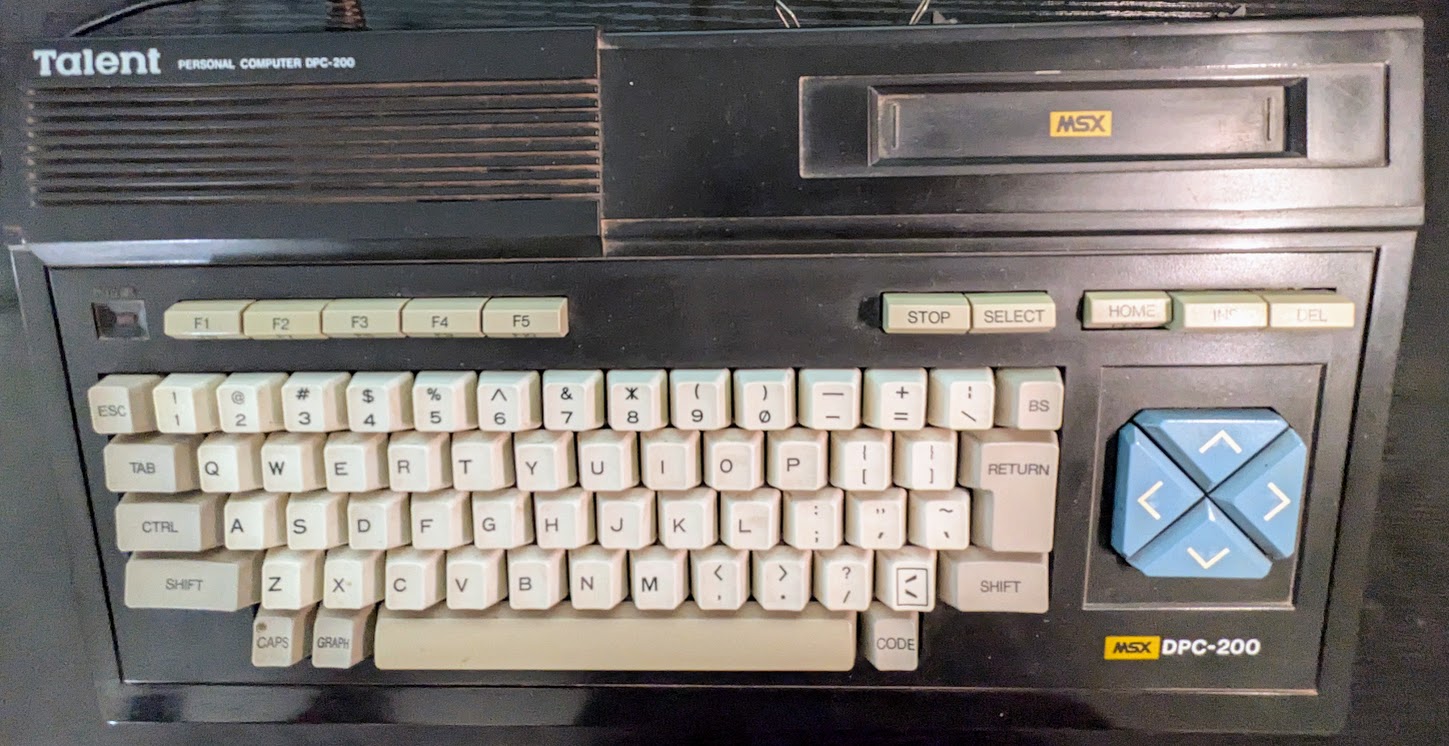
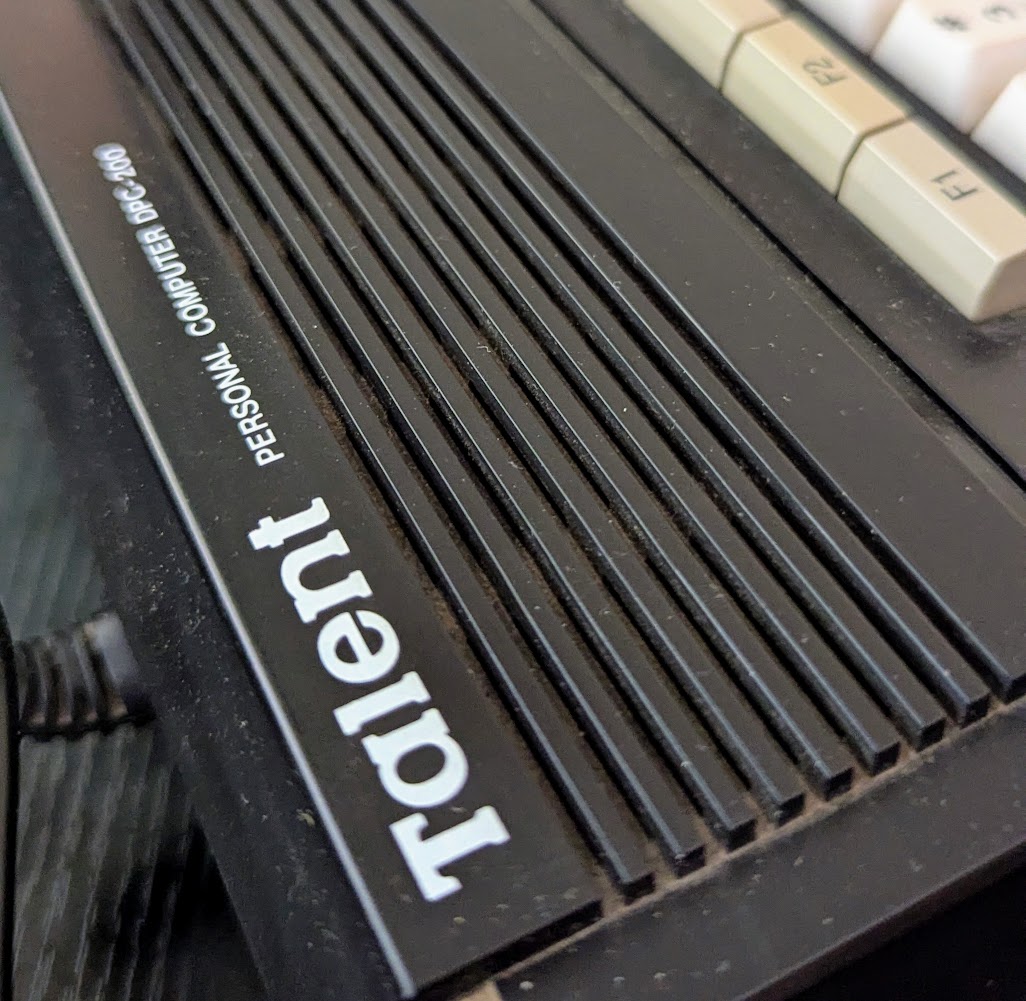
- Talent MSX: On 2024-12-28 15:00:00, I acquired a Talent MSX computer in San Juan, Argentina. The Talent MSX was an 8-bit home computer manufactured by Talent Argentina (see a nice history here) in the mid-1980s, based on the MSX standard developed by Microsoft and ASCII Corporation. This machine featured a Zilog Z80A processor running at 3.58 MHz, 64KB of RAM, and the Texas Instruments TMS9918A video display processor capable of producing colorful graphics and sprites. Like other MSX computers, it included Microsoft MSX-BASIC in ROM and was designed to be compatible with a wide range of MSX software and peripherals. The Talent MSX was particularly notable in the South American market as one of the locally-manufactured computers that brought affordable computing to the region during the 1980s home computer boom. I haven’t cleaned this one yet, though.